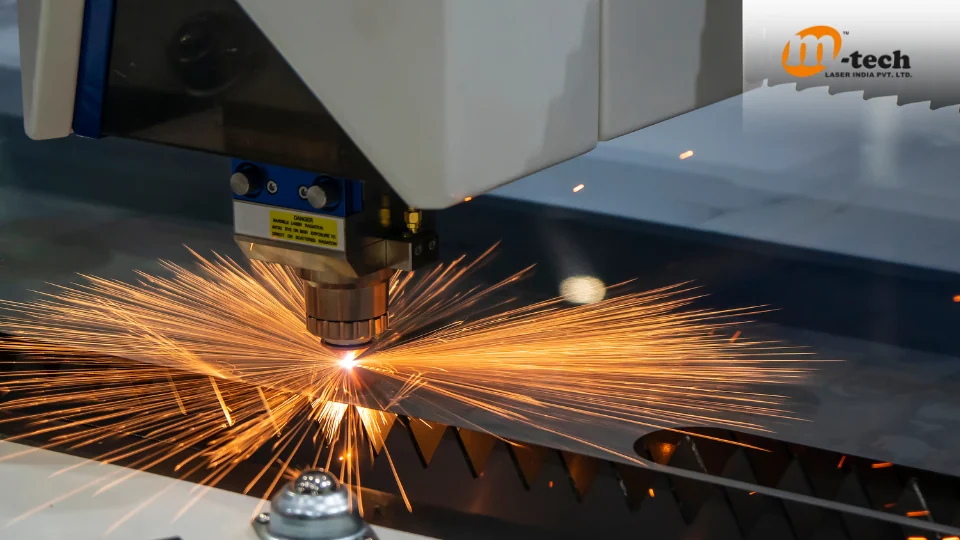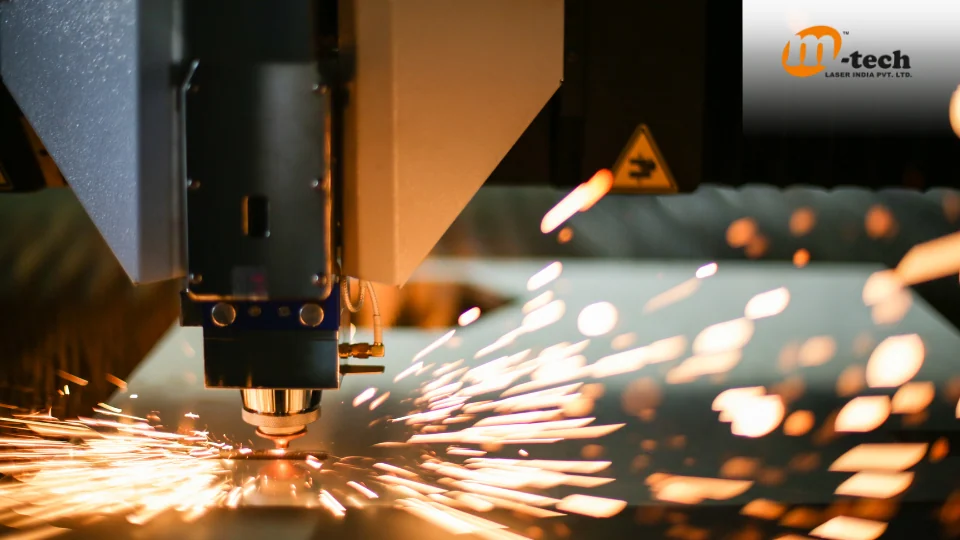
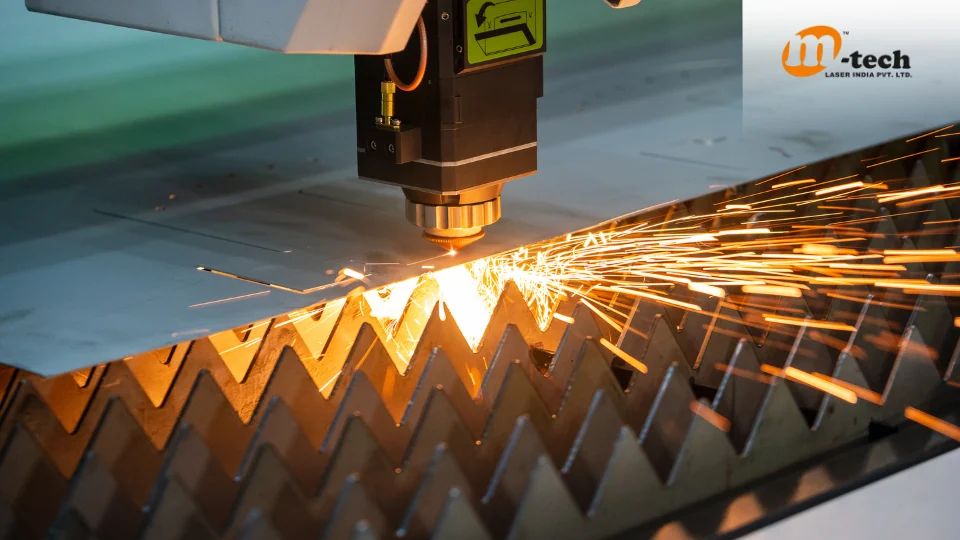
Most buyers start by comparing brands. That is the last step, not the first. Four decisions narrow the field to two or three machines, and once they are settled the shortlist tends to make itself.
Start with the material, not the machine
Metal means fiber. Acrylic, wood, MDF, fabric and leather mean CO2. Copper and brass rule out CO2 entirely. Tube and pipe work needs a chuck-and-feed line rather than a flat bed, and stone or signage work is a router job rather than a laser one. This single question removes most of the catalogue.
Let thickness set the power
Power follows the thickest material you cut regularly — not the thickest you have ever cut. Paying for 6kW to handle an occasional 20mm job is usually worse value than subcontracting that job and buying 3kW.
- 1.5kW — thin sheet up to roughly 6mm, enclosures and panel work
- 3kW — the common choice for general fabrication, comfortable through 10–12mm
- 6kW — thicker plate and faster cutting on mid thicknesses
- 12kW and above — heavy plate, or thin sheet at very high speed
Worth knowing: higher power cuts thin sheet faster as well as cutting thick plate at all. If your volume is high and your material is thin, the extra kilowatts can still pay for themselves in cycle time.
Size the bed to the sheet you buy
A 1530 bed takes the standard 1500 × 3000 mm sheet, which is why it is the most common size sold in India. Going larger only pays if you genuinely buy larger stock — otherwise you are paying for floor space and a longer gantry to cut the same parts. Going smaller is false economy if it forces you to pre-cut every sheet.
Decide how the machine will be loaded
This is the factor buyers most often skip, and it decides real output more than wattage does.
- Open type — cheapest, quickest to load by crane, needs the most floor discipline for safety
- Exchange table — load one pallet while the other is cutting; the right answer when the machine would otherwise sit idle during loading
- Close body — fully enclosed cabin, contains the beam and the noise, best where people work nearby
- Sheet and tube — one machine for flat parts and sections, when neither alone fills a shift
Then, and only then, compare suppliers
With those four settled you are comparing like with like. At that point ask about the things that decide the next five years rather than the next five minutes: who installs it, how fast a service engineer reaches you, whether spares are held in the country, and who trains your operators.
Tell us the material, the thickest section, the sheet size you buy and your rough daily volume, and we will come back with a configuration and a price rather than a catalogue.